The lathe that cuts guilloché, in your browser
Guilloché is the engine-turned pattern on a banknote, a pen barrel, an old dashboard and a good watch dial. It comes off a rose engine, a lathe that is two hundred years old and that almost nobody owns. I built one that runs in a browser.
Guilloché is the engraved pattern you have seen without knowing its name. The fine lattice on a banknote or a passport page. The grain on a fountain pen, a lighter or a cigarette case. The engine-turned panel on the dashboard of an old car. The sunray under the enamel on a watch dial. It is cut one line at a time on a rose engine, a lathe where the work rocks against a fixed cutter while a stack of lobed cams, the rosettes, decides how it rocks. A slide rest steps the cutter in a fraction of a millimetre for every pass. Shift the phase by half a lobe on every other pass and you get barleycorn. Put the work off centre and repeat the program a few times and you get a rosace. The machines are two hundred years old, the good ones sit in a handful of workshops, and almost nobody gets to touch one.
So I built one you can touch. It is at rose-engine.balian.dev.
The machine sits on the left and the plate on the right, and they are the same thing. One set of kinematics drives the 3D lathe and the drawing, so the cam you pick is the cam you see turning. You stack up to eight rosettes, rocking or pumping, with six profiles from a plain sine to a flame. You set the slide rest, the phasing, a taper, a spiral feed. You put the work on an eccentric or elliptical chuck. Then you watch it cut, at real speed or two hundred times that, or you skip to the end.
The plate can be ink on paper, with a palette and a colour per pass, or metal: a V-tool in silver, gold, rose gold, brass, steel or blued steel, lit from the angle you choose, with translucent enamel over it. Random hands you a new pattern from one of nine families, Mutate nudges the one you have, and any setting can be locked so it survives both. Twelve presets cover the classics.
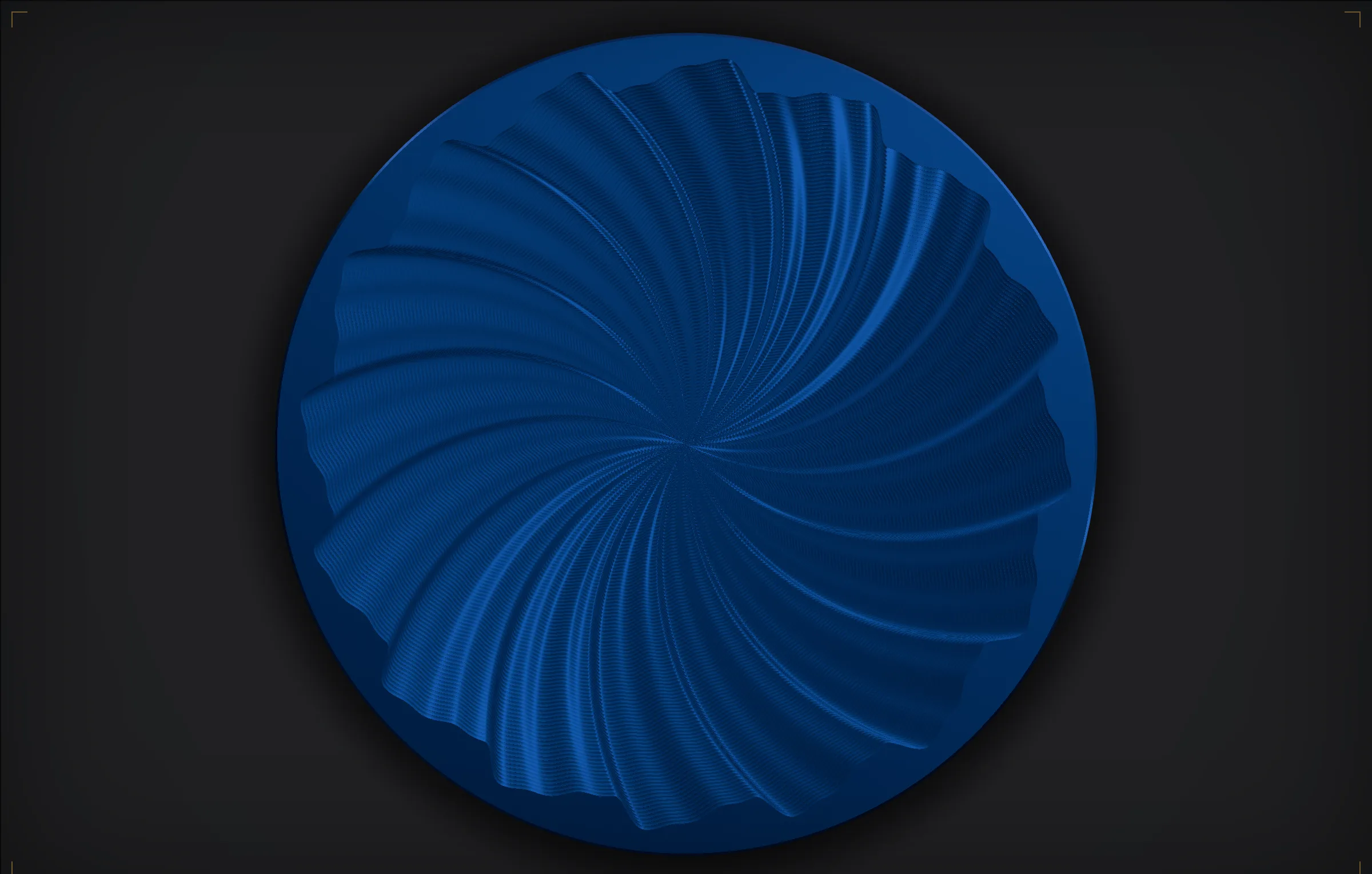
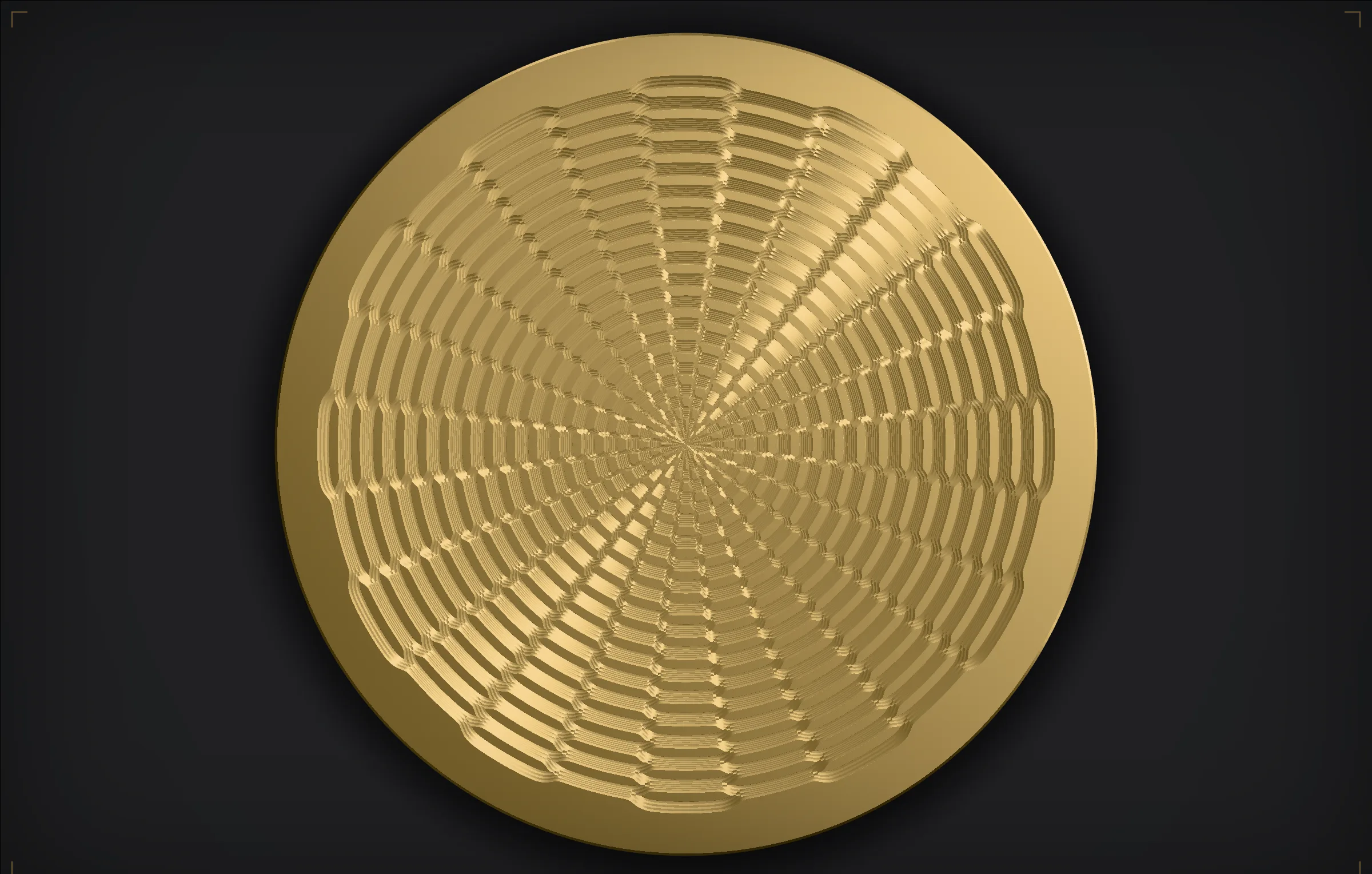
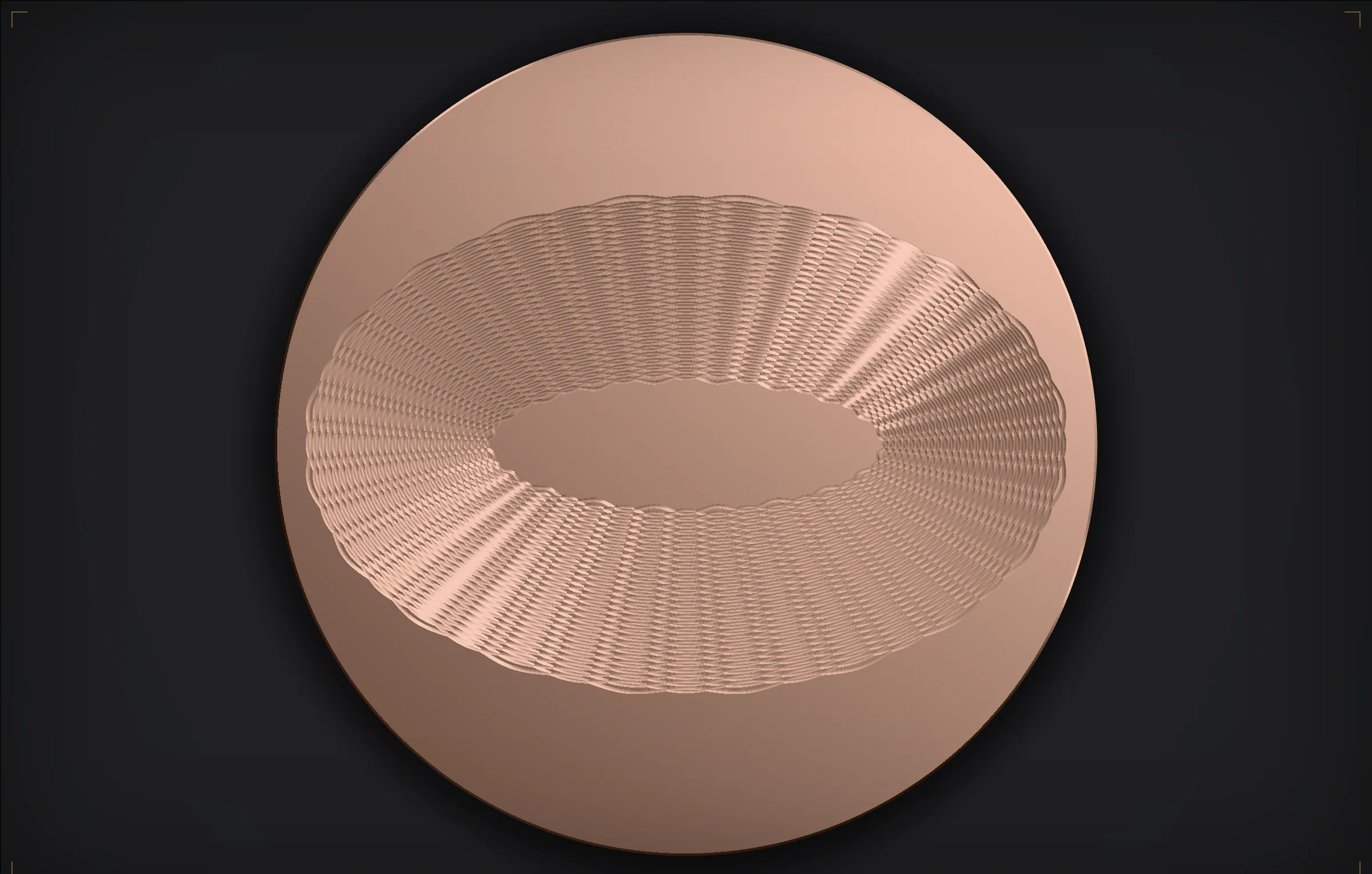
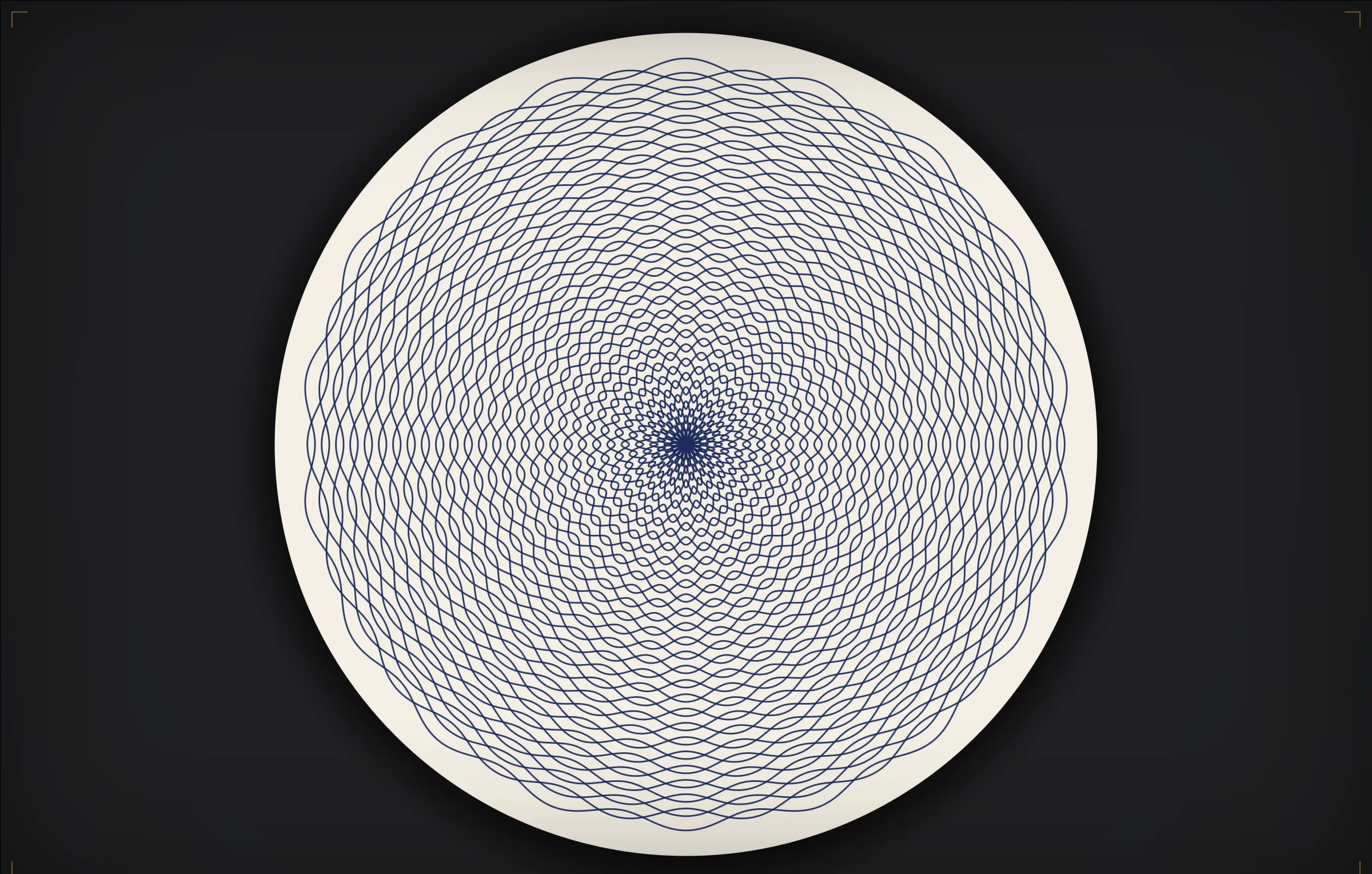
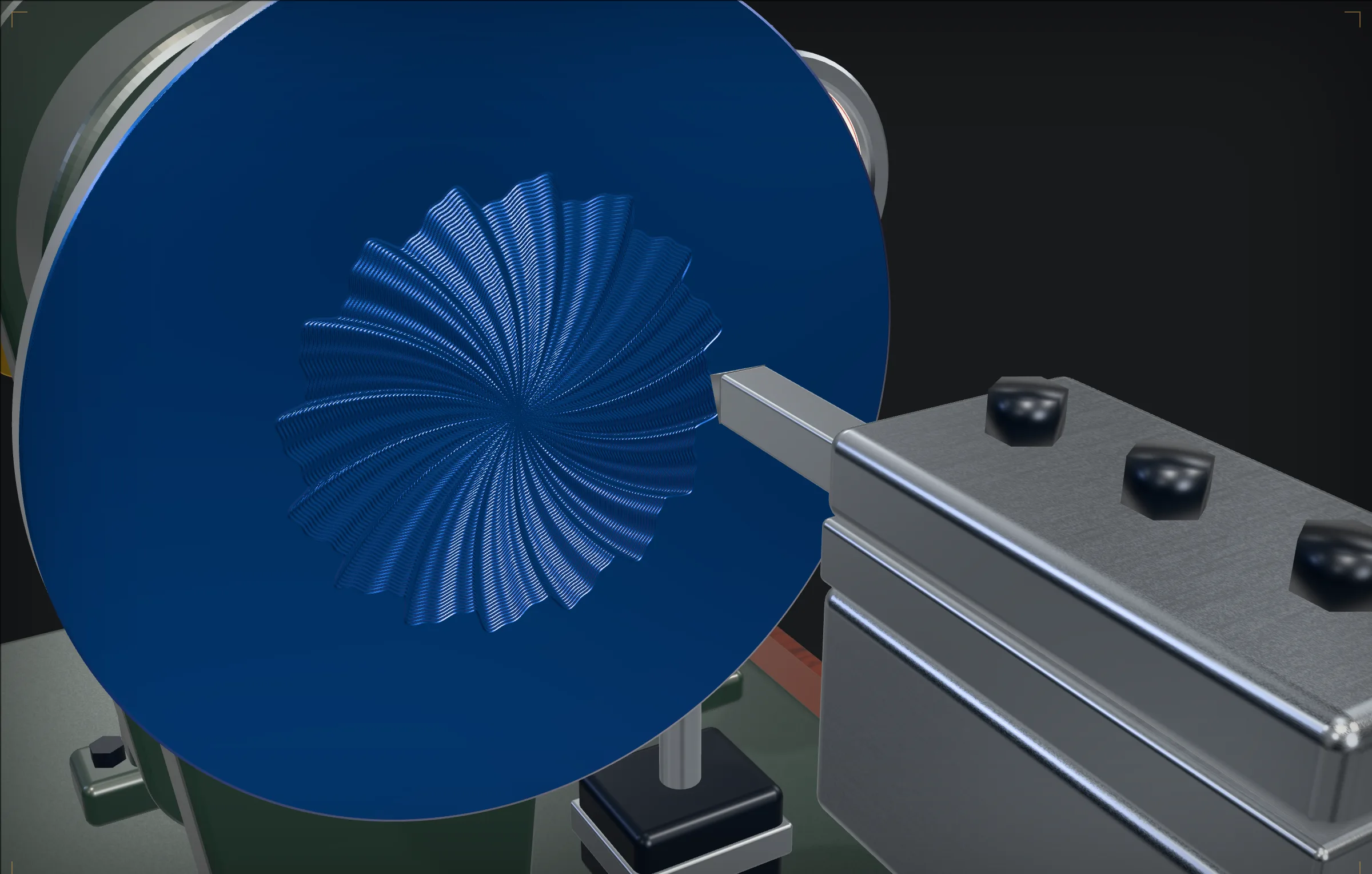
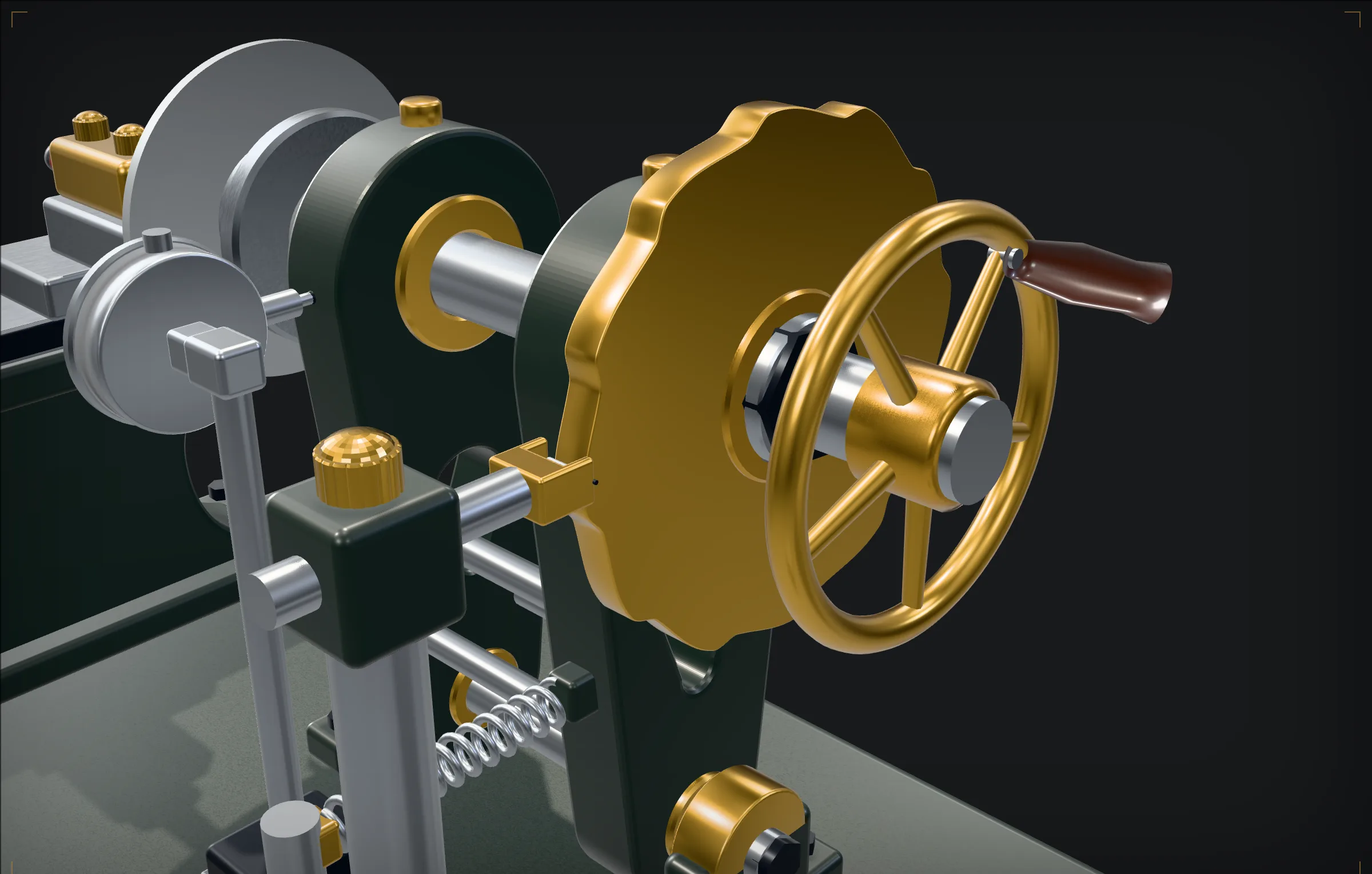
When you have something, you take it with you. SVG in millimetres with one layer per colour, ready for a pen plotter. A PNG at print size. G-code for a plotter or an engraver, with the path length and the time it will take. Or a link with the whole recipe packed into it, which opens the same plate for whoever you send it to.
A few things I would not let slide. The follower on a real machine is a round rubber, and a round rubber cannot reach the bottom of a sharp cam, so sharp profiles come out rounded, the way they do on the real thing. In metal, where two cuts cross, the deeper one shows, because engraving only ever removes material. The SVG and the G-code follow what plotters and engravers expect, down to keeping the comments in plain ASCII because some controllers choke on anything else. You cannot see any of that in a screenshot. Someone who knows the craft sees it in a minute.
What this has to do with your company
Most websites are the same template with different words in it, and for most pages that is fine. It stops being fine on the page where someone has to understand something: a product with options, a process that takes a whiteboard to describe, a machine your sales team explains with a PDF, numbers that live in four systems. On that page, a visitor who can turn the knobs understands it in a way a brochure cannot give them, whether the page is a configurator, a simulator, an explainer that takes the thing apart, or one screen that shows the whole business at once.
This is the work I specialize in: interactive pages that have to be correct and have to run on a phone, in your design. The rose engine is the latest one and the watch movement is the other. Both are on the data visualization and 3D page with what I would build for a company like yours.
If something in your business is hard to picture, send it to me and I will tell you what a page that shows it would take.